


The science of recovering brain health in farming communities.
Occupational (Exposure) Medicine detects, and treats conditions caused by work. We scaled it to farming families. We apply behavioral science to ensure they stick to health coverage so they can seek care when the screenings detect anything.


Every job has health risks. Occupational health prevents, detects, and treats conditions caused by work. Office workers get it. Factory workers get it. 860 million farmers and their kids don’t.
We call it “exposure medicine” to avoid the confusion and honor the equity they’re now getting.
Understanding exposure-linked diseases
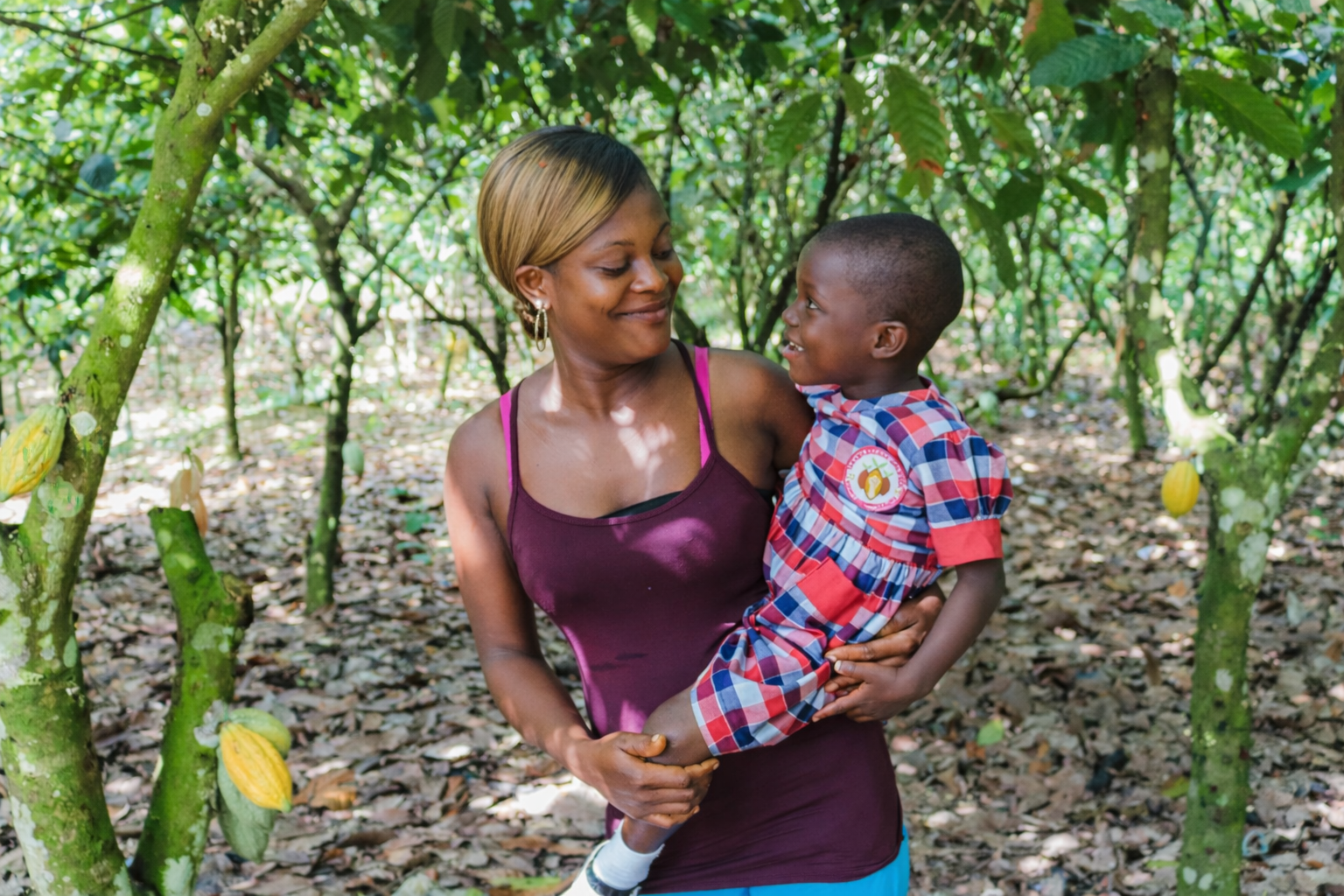
Pesticides don’t just poison farmers—they steal their kids’ futures first. Exposures damage developing brains, turning sharp children into struggling students. The learning loss is invisible. The cause is never diagnosed.
By the time a farmer is diagnosed with occupational cancer or kidney failure, their children have already suffered years of cognitive harm and lost potential.
Corporate employees who process crops get occupational care. Farmers who grow the crops don’t. Children fail in school. Parents die early. No one helps kids unleash their potential.
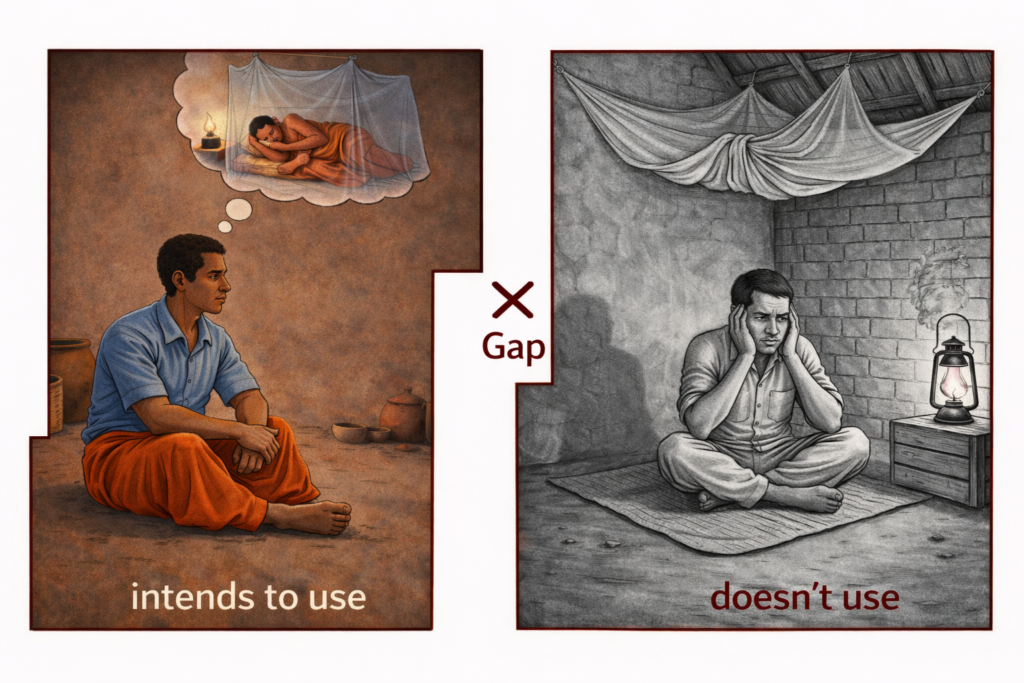
860 million rural families struggle to stick to programs. 66% of Ghanaians can afford health insurance, but remain unenrolled. Money isn’t the problem.
And its not because they don’t care. Rather, availability doesn’t automatically equal utilization.
Stress, forgetfulness, and daily hassles widen the gap between intention and action. Programs fail. Families die. Money disappears.
Social Neuroscience
Social Neuroscience
Relationships Are the Strongest Motivator
People work harder for someone they love than for money — especially in communal cultures where family and social bonds are the primary motivator.
Insel, 2003; Medvedev et al., 2024
Loss Aversion
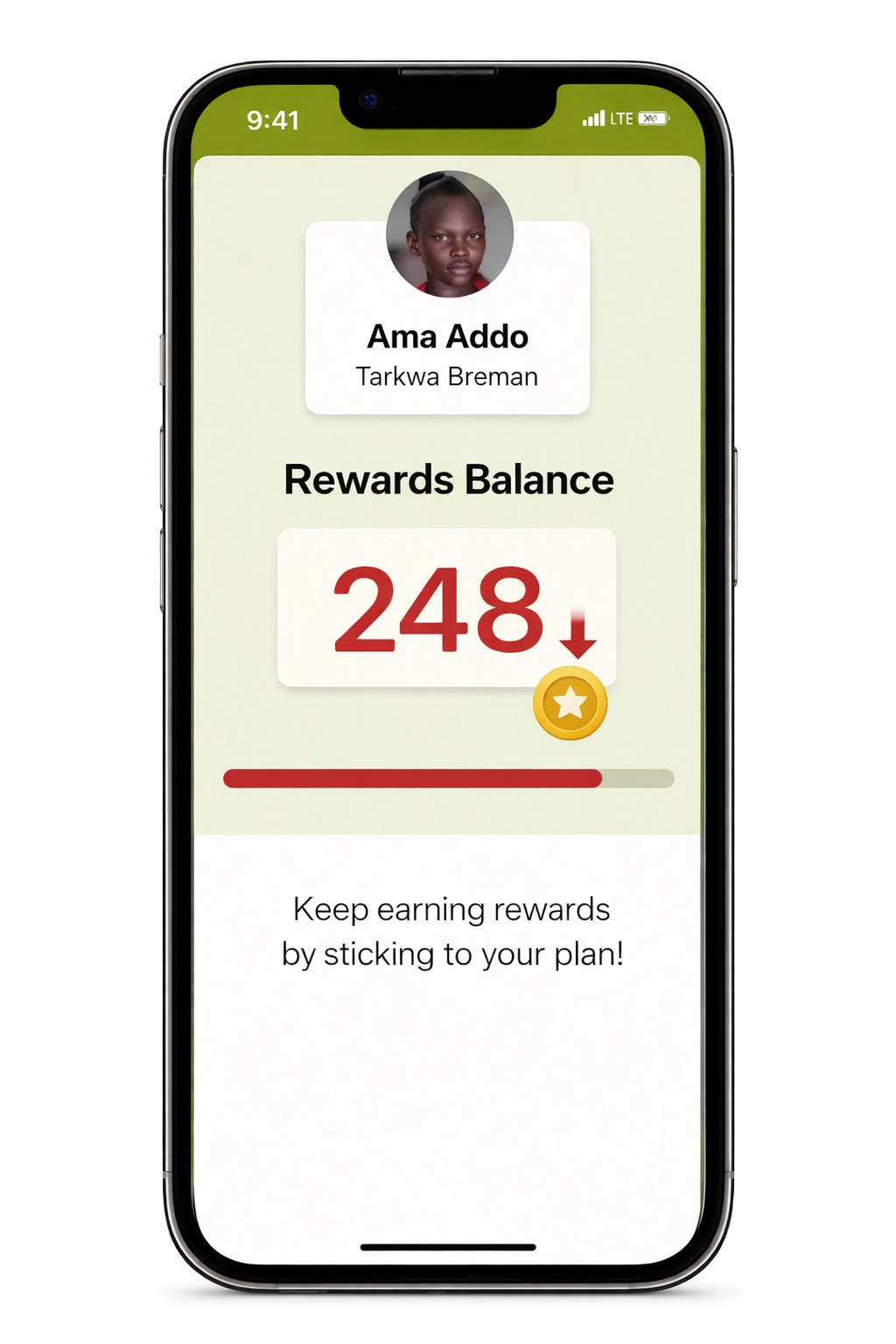
Loss Aversion
Framing Rewards as Something to Keep, Not Earn
The fear of losing something you already have is twice as motivating as the excitement of gaining something new.
Kahneman & Tversky, 1979; Patel et al., 2016b
Endowment Effect
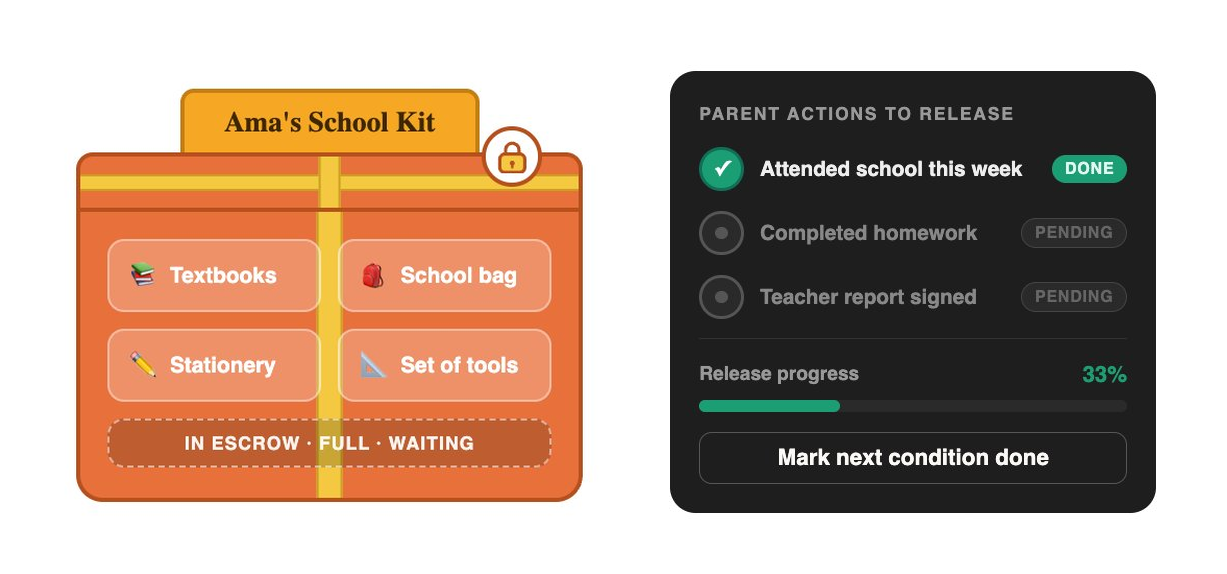
Endowment Effect
Rewards Begin in Escrow, Not at Zero
Once something feels like yours, you fight harder to keep it than you ever would have to earn it.
Thaler, 1980

Social Accountability
Being Seen as a Good Parent in the Community
When your neighbors can see whether you showed up for your family, their perception becomes a powerful motivator in itself.
Hybrid Incentives
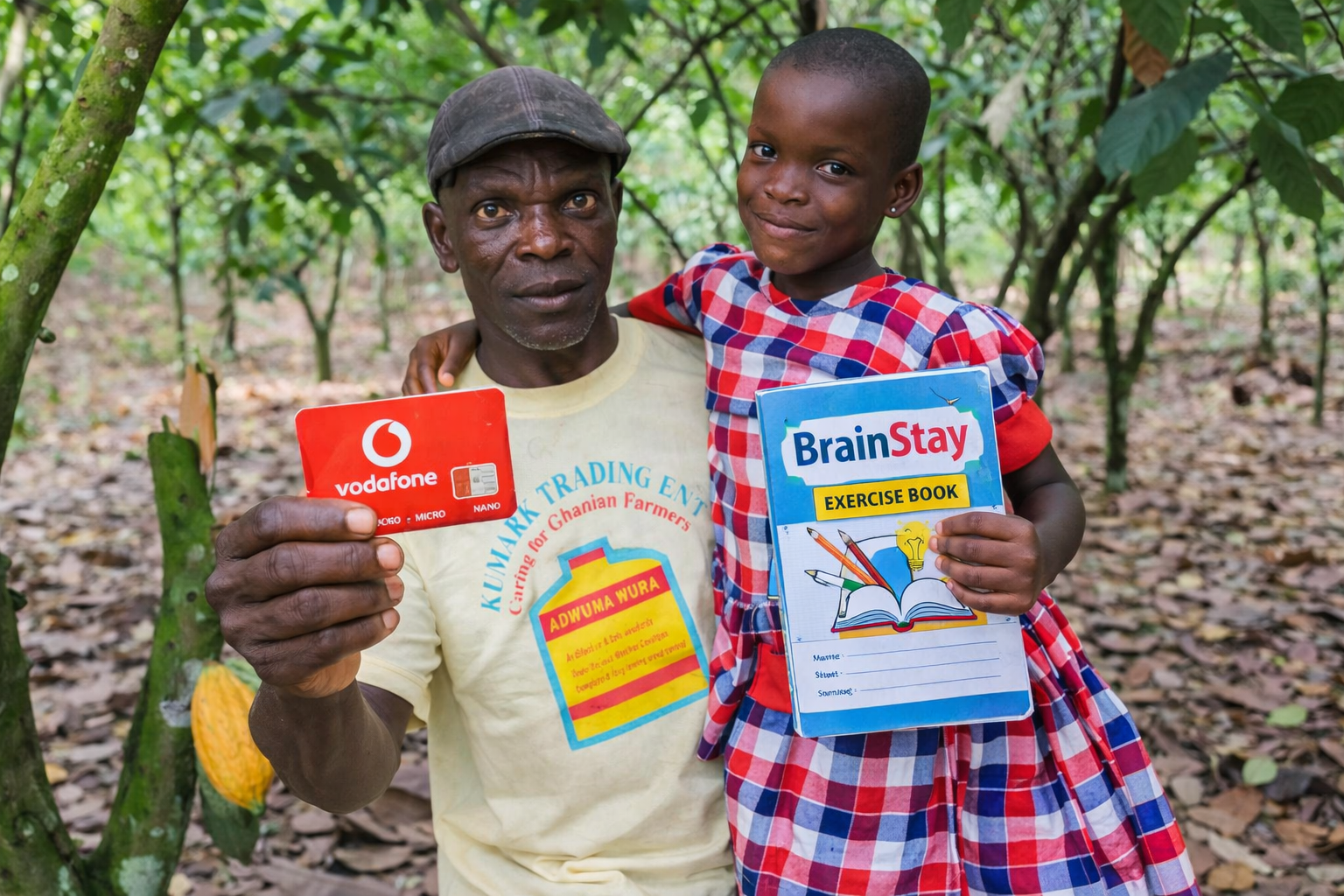
Hybrid Incentives
Rewarding Both the Individual and Their Loved One
Rewarding only the individual or only the group doesn't work — but rewarding both simultaneously, with something that means more than cash, does.
Patel et al., 2016a; Thirumurthy, Asch & Volpp, 2019Nothing drives behavior faster than trust. And communities deeply trust their local schools.
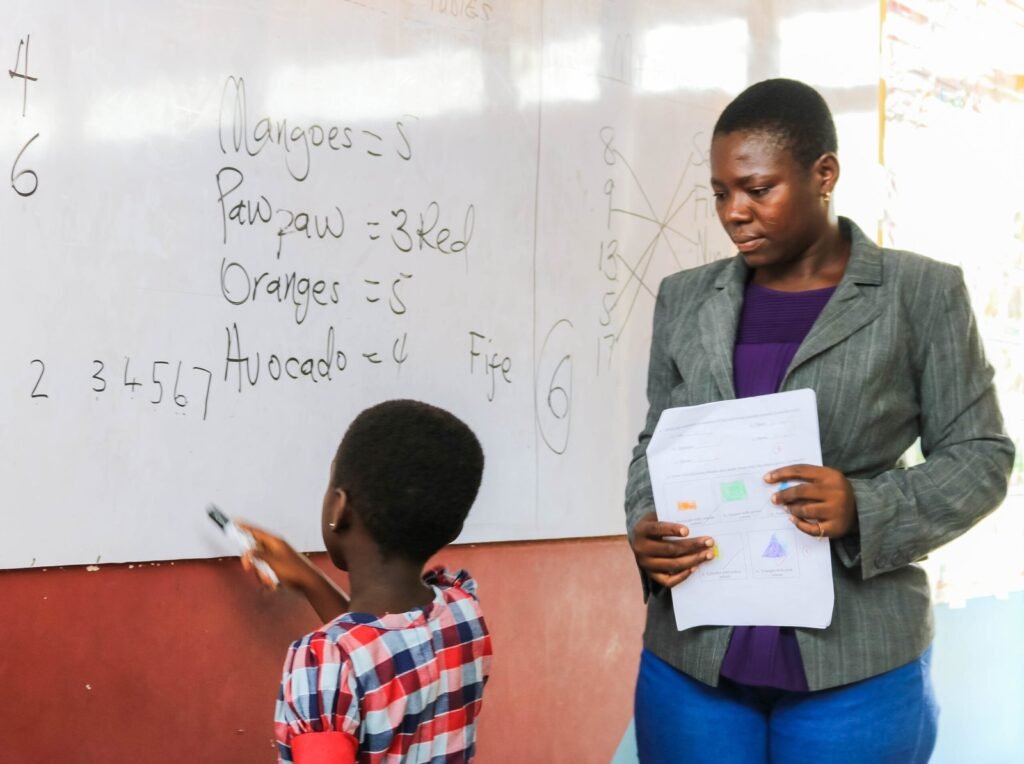
Schools see families regularly—children daily, parents monthly. Teachers notice when a sharp child becomes slow.
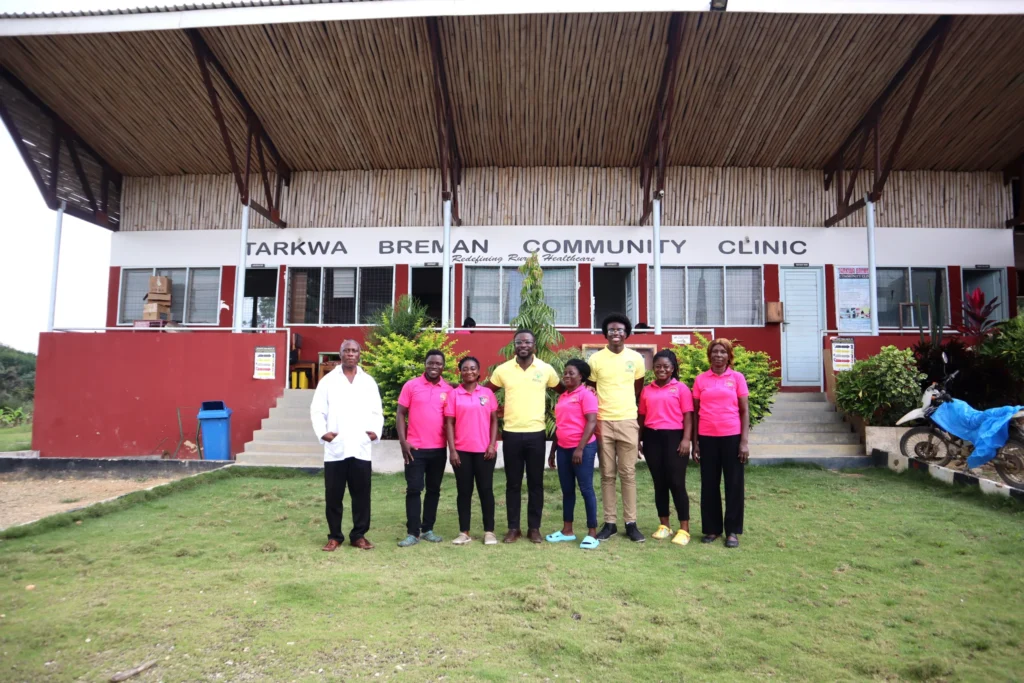
We train them to detect early signs of exposure harm, connects families to care, and track protocol adherence.
Parents should live to steward them.